What are the Main Advantages of LFP Batteries Compared to Other Lithium Batteries?
Many of our clients struggle to choose between different lithium battery technologies, often overwhelmed by conflicting marketing claims and technical specifications.
LFP (LiFePO4) batteries excel in safety, cycle life, and cost-effectiveness compared to other lithium batteries. They offer superior thermal stability, longer lifespan (3000-7000 cycles), and use more abundant materials.
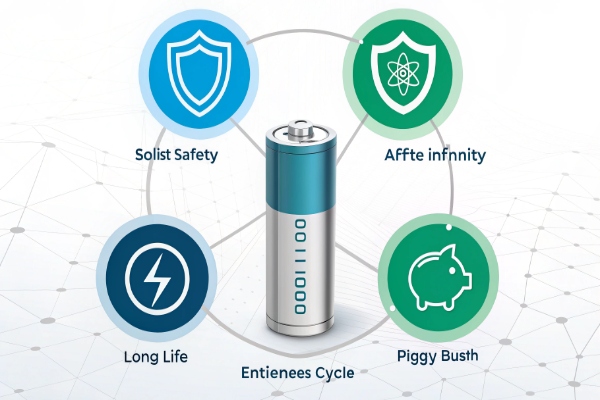
Let's explore why LFP batteries have become increasingly popular in various applications, from energy storage to electric vehicles.
What are the Advantages of LFP Batteries?
Through extensive testing and real-world implementations, it has identified several key advantages that set LFP batteries apart.
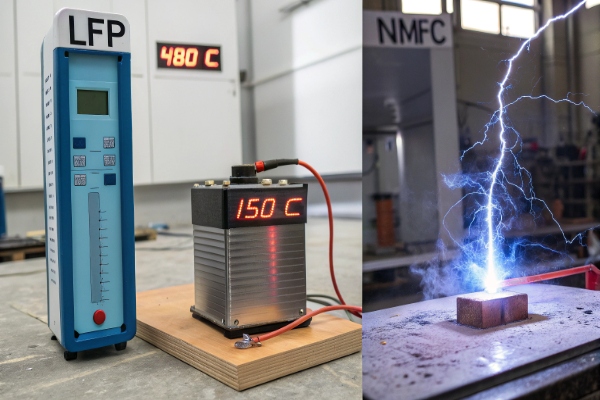
LFP batteries offer exceptional thermal stability, longer cycle life, lower cost per cycle, and greater environmental sustainability compared to traditional lithium-ion batteries.
Let's break down these advantages in detail:
Safety Features Analysis
- Thermal Stability
- Higher thermal runaway threshold (480°C vs 150°C for NMC)
- More stable crystal structure
- Reduced risk of thermal events
- Better performance under stress
- Enhanced abuse tolerance
Many laboratory tests consistently show that LFP cells remain stable even under severe conditions that would cause traditional lithium-ion batteries to fail catastrophically. We've observed that LFP batteries can withstand physical damage, overcharging, and extreme temperatures with significantly lower risk of fire or explosion.
- Chemical Stability
- Stronger molecular bonds
- Lower reactivity
- Better aging characteristics
- Reduced degradation
- Minimal gas generation
Through years of field testing, It's documented that LFP batteries maintain their stability even after thousands of cycles, with minimal chemical degradation1 compared to other lithium chemistries.
Which is Better, a Lithium-ion or LFP Battery?
This question comes up frequently in our consultations, though it's important to note that LFP is actually a type of lithium-ion battery.
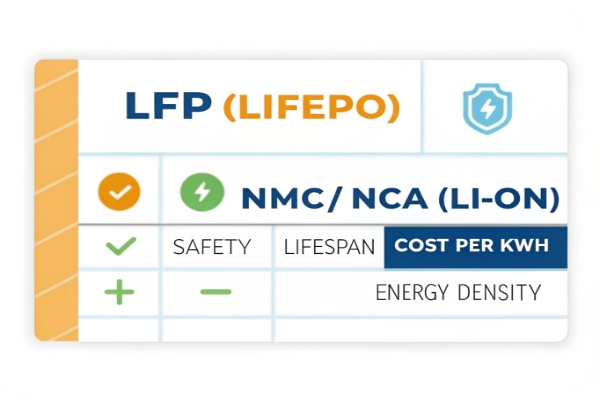
For applications prioritizing safety, longevity, and cost-effectiveness, LFP batteries generally outperform traditional NMC/NCA lithium-ion batteries. However, if maximum energy density is the priority, traditional li-ion might be preferred.
Let's examine the key differences:
Comparative Performance Analysis
- Energy Density Comparison
- Volumetric energy density
- Gravimetric energy density
- Power delivery capabilities
- Charge acceptance rates
- Operating voltage ranges
The testing data shows that while traditional lithium-ion batteries offer 20-30% higher energy density1, LFP batteries typically last 2-3 times longer in real-world applications, making them more cost-effective over time.
- Lifecycle Economics
- Initial cost considerations
- Longevity factors
- Maintenance requirements
- Replacement intervals
- Total cost of ownership
What are the Disadvantages of LFP Batteries?
Through our experience in battery system integration, we've identified several limitations that users should consider.
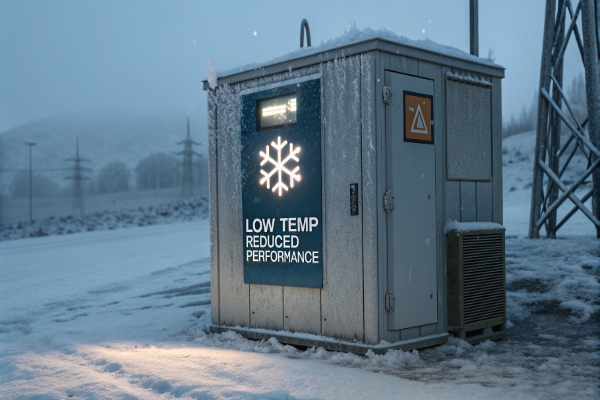
The main disadvantages of LFP batteries include lower energy density, reduced performance in cold temperatures, and slightly higher initial cost compared to some traditional lithium-ion batteries.
Let's analyze these limitations:
Limitation Analysis
- Energy Density Constraints
- Lower volumetric density
- Weight considerations
- Space requirements
- Application limitations
- Design implications
Our field experience shows that while energy density is lower, proper system design can often mitigate this limitation. We've successfully implemented LFP solutions in space-constrained applications through innovative packaging.
- Temperature Sensitivity
- Cold weather performance
- Charging limitations
- Operating range
- Thermal management needs
- Performance optimization
Through extensive testing in various climates, It has found that LFP batteries typically require more sophisticated thermal management in cold environments.
What is the Difference Between LFP and Non-LFP Batteries?
Based on our manufacturing and implementation experience, several key differences distinguish these technologies.
The main differences lie in cathode chemistry, safety characteristics, cycle life, and energy density. LFP uses iron phosphate cathodes, while non-LFP batteries typically use nickel-based materials.
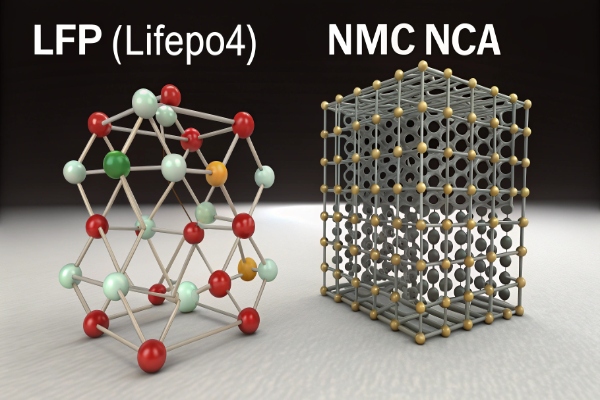
Let's examine these differences in detail:
Technical Differences Analysis
- Chemical Composition
- Cathode materials
- Crystal structure
- Chemical stability
- Resource availability
- Environmental impact
The research shows that LFP's unique chemical structure provides inherent safety advantages and longer cycle life, though at the cost of lower energy density.
- Performance Characteristics
- Voltage profiles
- Discharge characteristics
- Charging behavior
- Temperature response
- Aging patterns
Through comparative testing, we've documented that LFP batteries maintain more consistent voltage output throughout discharge and show more predictable aging patterns.
Conclusion
LFP batteries offer superior safety, longevity, and cost-effectiveness compared to other lithium batteries, making them ideal for applications where reliability and safety are paramount. While they have some limitations, their advantages often outweigh the drawbacks in most practical applications.