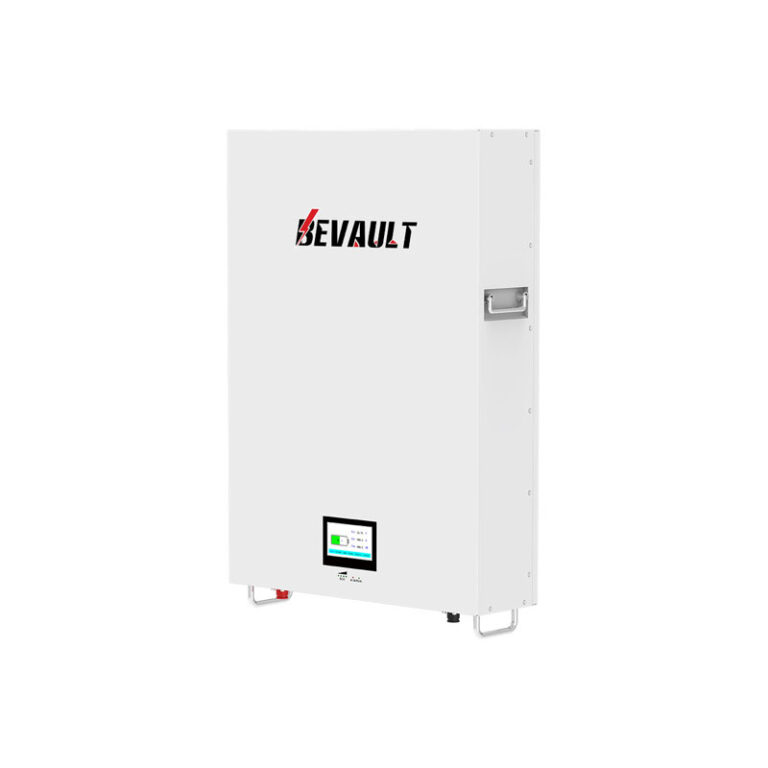
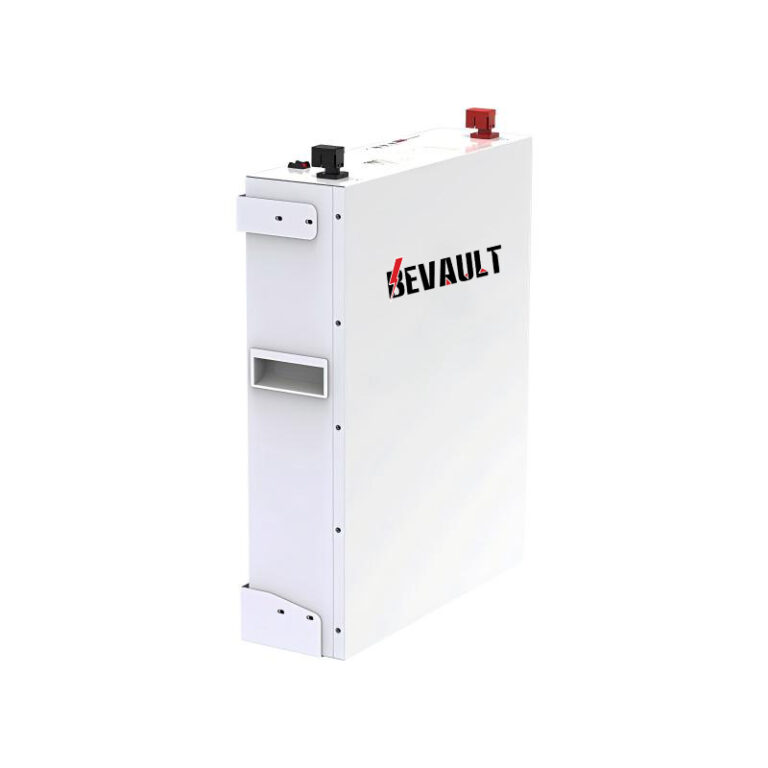
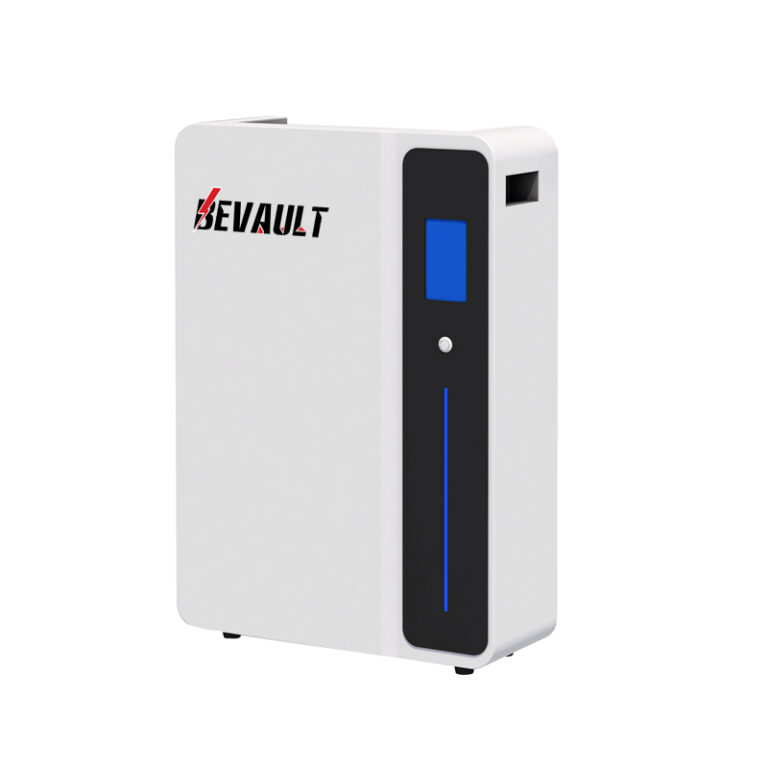
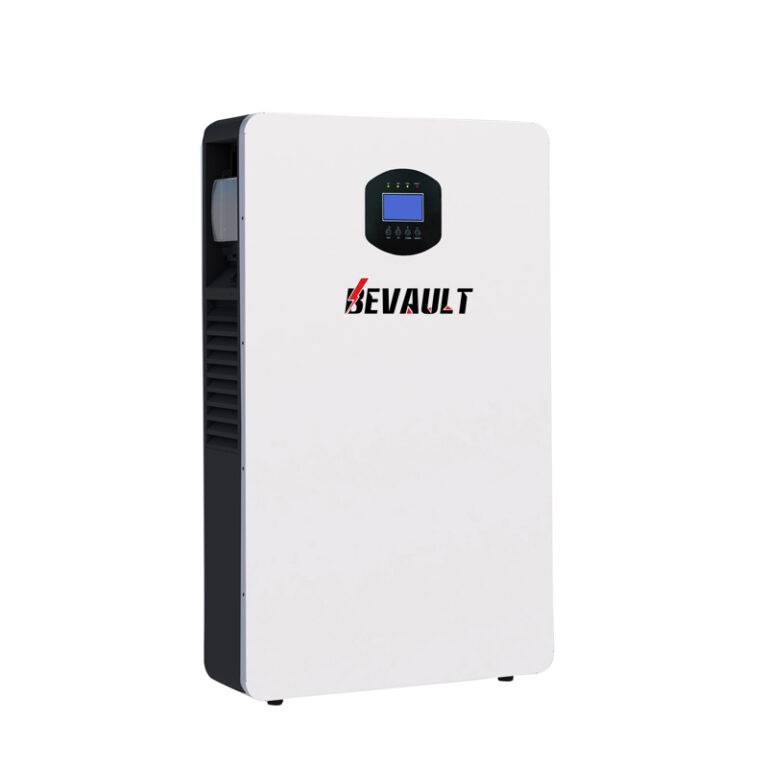
Wall Mounted Lithium Battery Solutions

Premium wall-mounted lithium batteries designed for residential and commercial energy storage systems. Featuring Grade A cells, advanced BMS protection, and compact design for maximum space efficiency.

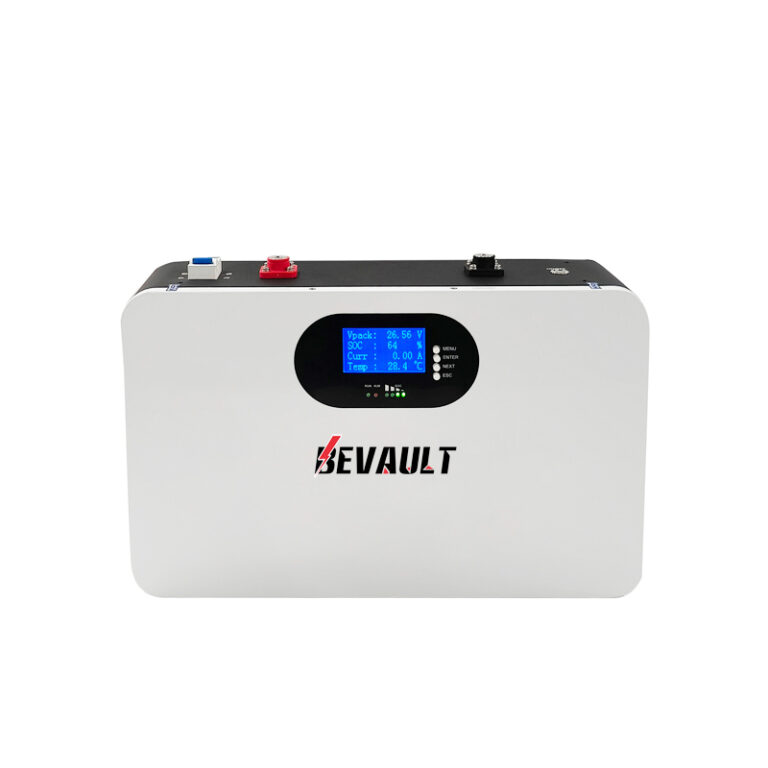
The 25.6V rating aligns perfectly with the input voltage requirements of most 1-3kW inverters. This configuration offers a compact and lightweight solution

5kwh/10kw/14kw/16kw additional capacity can be added easily to meet expanding power needs, supporting future growth and application changes

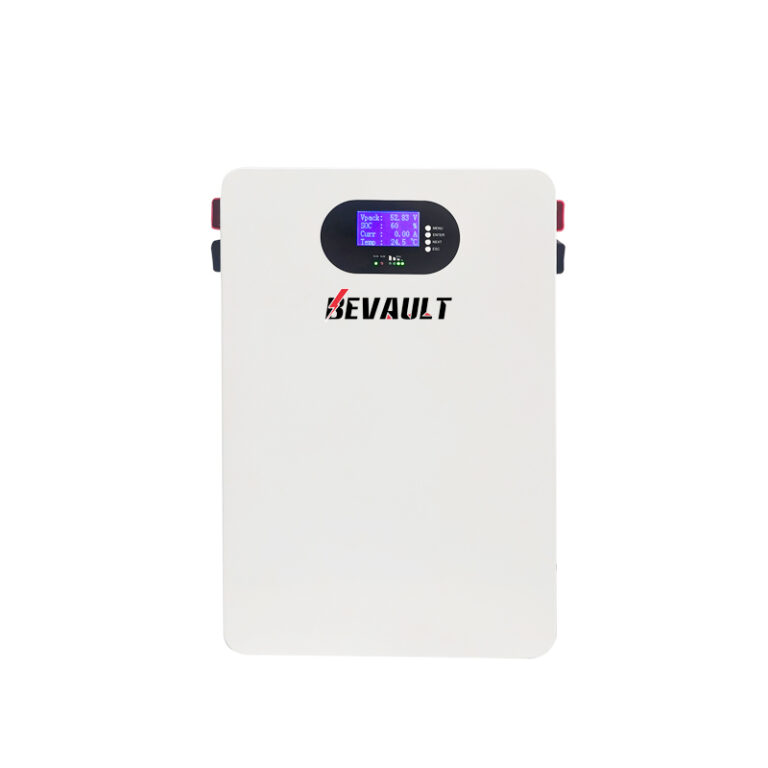
51.2v 100ah/200ah/280ah/340ah with IP20/IP54/IP65 available. Optional bluetooth, WIFI

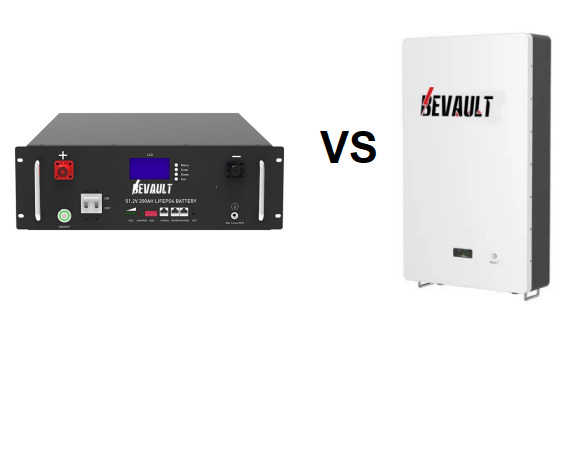
Dual purpose usage- simply change your installation accessories, you will make it wall mounted or rack mounted

 Touch Screen interface and supports multilingual design. Ideal for global users seeking intuitive, customizable battery management in various languages.

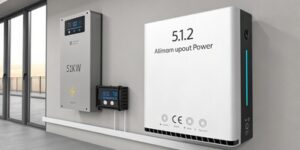
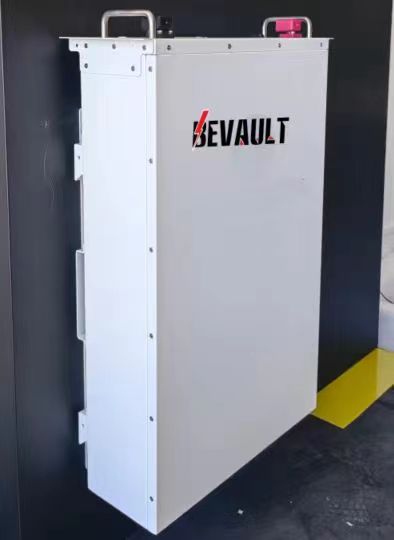
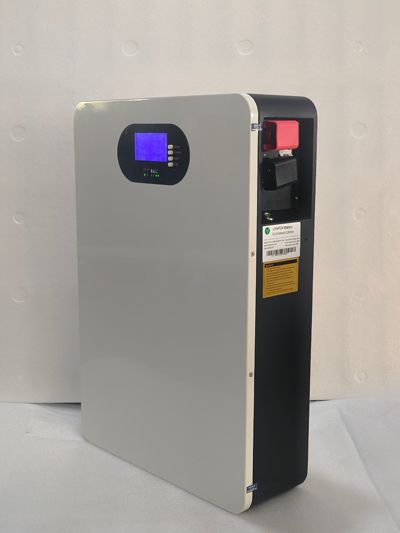
wall-mounted all-in-one offers space-saving design and easy installation for versatile use.Perfect for modern settings, providing seamless integration and functionality in one compact unit

Model 25.6V100Ah 25.6V200Ah 51.2V100Ah 51.2V200Ah 51.2V280Ah
BPW-25100 BPW-25200 BPW-51100 BPW-51200 BPW-51280
Battery Type LiFePO4 Battery
Battery Style 25.6V100Ah 25.6V200Ah 51.2V100Ah 51.2V200Ah 51.2V280Ah
Battery Energy 2.56kWh 5.12kWh 5.12kWh 10.24kWh 15kWh
Nominal Voltage 25.6V 25.6V 51.2V
Rated Capacity 100Ah 200Ah 100Ah 200Ah 280Ah
End-of-Charge Voltage 29V 58.0V
End-of-Discharge Voltage 21.0V 21.0V 42.0V
Standard Charge Current 50A 50A/100A 50A 100A 200A
Max. Charge Current 100A 100A 100A 200A 200A
Standard Discharge Current 100A 100A 100A 100A/200A 100A/200A
Max. Discharge Current 100A 100A/200A 100A 100A/200A 100A/200A
Max. Peak Current 150A 250A 150A 300A 400A
Charge/ Discharge Interface 2P/ M8 Terminal (optional)
Communication Interface RS485/CAN
Shell Material/ Color Metal/ White (color optional)
Work Temperature Range Charge: 0°C~50°C Discharge: -15°C~60°C
Size (mm) 485*300*140mm 600*410*140mm 600*410*140mm 850*485*145mm 850*420*230mm
Weight (kg) 26kg (about) 45kg (about) 45kg (about) 89kg (about) 115kg (about)

Customized Wall-Mounted Lithium Battery Solutions to Meet Your Unique Requirements

In search of top-quality wall-mounted lithium batteries designed to endure the most demanding energy storage applications? Collaborate with us to develop the ideal solution tailored to your precise needs. Our team of experts is committed to delivering custom-designed wall-mounted lithium battery systems that provide exceptional durability, efficiency, and reliability in even the harshest environments.

Material and Technology Selection

Our wall-mounted lithium batteries are crafted using branded cell(REPT/EVE/GOTION etc.) and BMS(JBD/PACE/JIKONG etc.), with options for enhanced features like LCD, Bluetooth, WIFI, Hearing, tailored to suit your specific application

Design and Configuration Options

Choose from various configurations, including compact, modular, or custom designs to fit your space requirements. We also offer a range of mounting systems for easy installation and integration into existing energy systems.

Efficiency and Output Rates

Our batteries feature high energy density5kw, 10kwh,14kwh.15kwh,16kwh with capabilities for rapid charging and discharging. Designed with robust architecture, they ensure optimal performance in various energy scenarios.

Wall-Mounted vs Rack-Mounted Lithium Batteries: Making the Right Choice

When choosing between wall-mounted and rack-mounted lithium battery installations, consider your available space, capacity requirements, aesthetic preferences, and budget constraints. Each mounting solution offers distinct advantages suited to different environments and applications.

Rack-Mounted Installation

Advantages

  • Easy integration with existing IT equipment (3U module design)
  • Supports large-scale, high-capacity energy storage needs
  • Cost-effective solution for substantial power requirements
  • Versatile applications in both residential and industrial settings

Ideal For

  • Data centers and server rooms
  • Commercial energy storage systems
  • Industrial applications requiring significant backup power

Wall-Mounted Installation

Advantages

  • Space-saving design utilizing vertical wall space
  • Aesthetically pleasing with modern design elements
  • Perfect for residential and low-capacity applications
  • Clean installation without floor space requirements

Ideal For

  • Residential solar energy storage systems
  • Small offices with limited floor space
  • Locations where aesthetics are a priority

Beyond Just a Lithium Battery Provider

At BEVAULT, we offer more than just high-quality wall-mounted lithium batteries. We provide power solutions meticulously engineered to meet the precise demands of your projects. With a focus on customized engineering, energy efficiency, and extended longevity, our commitment to delivering excellence has earned us a trusted reputation in the energy storage industry.

Expert Guidance on Technology Selection

Unsure which lithium battery technology – LiFePO4, NMC, or another advanced chemistry – suits your application best? Let our experts guide you to the ideal choice, ensuring that your lithium batteries deliver optimal performance in your specified environment.

Unmatched Technical Support

Whether you require expert advice on design specifications or performance optimization, we're here to offer comprehensive technical support. From initial consultations to on-site engineering assistance, our team is dedicated to ensuring that your lithium battery solutions meet and exceed your expectations.

Extensive Customization Options

Our capabilities go far beyond standard wall-mounted lithium batteries. We offer custom designs, advanced thermal management systems, reinforced casing, and integration-ready mounting solutions tailored to a wide range of energy applications. Each battery system is crafted to seamlessly integrate into your operations, enhancing both efficiency and reliability.

Advanced Manufacturing Expertise

With over a decade of experience in lithium battery fabrication, we bring precision and expertise to every unit we produce. Whether you're seeking specific capacity configurations, enhanced discharge rates, or advanced safety features, we take pride in engineering and finishing your battery systems to the highest industry standards.

Smart BMS

Smart BMS Multiple Protection

High Density

Max Load Power

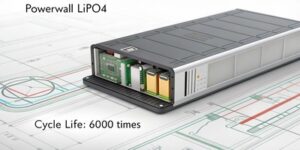
6000+

Cycles Life

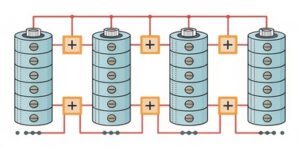
Flexible Parallel

expandable

Low-Temp Cut-Off

Protection

Display Monitoring

Real-time monitoring

A Flexible and Robust Energy Solution for Every Need

Discover how BEVAULT batteries power diverse applications with reliability and efficiency, from renewable energy to marine systems.

Solar Energy Systems

Optimize your renewable energy setup with our high-efficiency batteries designed specifically for solar power storage and distribution.

RV & Mobile Applications

Power your adventures with lightweight, durable batteries that provide reliable energy for recreational vehicles and mobile applications.

Off-Grid Power Solutions

Achieve energy independence with our robust off-grid battery systems, perfect for remote locations and sustainable living.

Marine & Boat Power

Specially designed for marine environments, our waterproof batteries provide consistent power for boats and marine applications.

Backup Power Systems

Stay powered during outages with our reliable backup power solutions, ensuring your critical systems remain operational when you need them most.

Contact Us

Get Your  Battery With Easy

At BEVAULT, We turn complex Into Simple! Follow the following 3 steps to start today!

1

Tell Us What You Need

Tell us as specific as possible of your needs, provide the drawing, reference picture and share your idea.

2

Get Solution & Quote

We will work on the best solution according to your requirements and drawing, the specific quote will be provided within 24 hours.

3

Approve for Mass Production

We will start mass production after getting your approval and deposit, and we will handle the shipment.

What's a wall mounted lithium battery?

A wall-mounted lithium battery is a versatile energy storage device designed to efficiently store and utilize electrical energy through lithium-ion technology. Installed vertically on the wall, these batteries offer a compact solution for both residential and small commercial applications, maximizing space efficiency with their sleek, integrated design. Compatible with solar photovoltaic systems, power grids, and other energy sources, these batteries serve as an effective means to store energy generated from solar panels or low-cost grid power during off-peak periods. Popular models like Tesla Powerwall and LG Chem RESU exemplify the "plug-and-play" nature of these solutions, appealing to homeowners for their ease of installation and aesthetic appeal.

The Key Features of Wall Mounted Lithium Battery

Space-Saving Design: Compact and wall-mounted, they save valuable floor space, unlike bulky traditional batteries, suiting residential and small commercial setups.

High Energy Density: Store significant energy in a small footprint, providing powerful backup for homes and businesses.

Smart Monitoring: Remote monitoring via apps or computers allows real-time tracking of power, voltage, temperature, and performance.

High Efficiency: Excellent energy efficiency and a low self-discharge rate mean less energy loss, ideal for storing solar energy for later use.

Long Cycle Life: Offer a high number of charge/discharge cycles for long-term reliability.

Solar Integration: Work seamlessly with solar panels to store excess daytime energy for use at night or during outages.

Scalability: Many systems allow for scalable capacity to match growing energy needs.

Consistent Power: Provide a steady and reliable power output for essential appliances and critical loads.

Choosing the Right Battery Solution: Wall vs. Rack Batteries Explained

Space Utilization & Configuration

Wall Battery: Perfect for confined areas such as garages or small utility rooms, but once installed, the location is permanent.

Rack Battery: Needs floor area for setup but provides flexible configuration options, making it a top choice for expansion.

Initial Investment vs Long-Term Benefits

Wall Battery: Lower initial expenditure (approximately $7,000–$15,000) but with limited potential for upgrades.

Rack Battery: Higher starting cost for setup, but more cost-effective per kWh in the long run, offering superior return on investment over time.

Energy Capacity & Requirements

Wall Battery: Ideal for everyday household use, like handling peak rate times and brief outages.

Rack Battery: Suited for scenarios with high power demands, such as off-grid settings or commercial backups, making it the preferred option for significant energy needs.

Maintenance & Component Replacement

Wall Battery: Sealed design entails minimal upkeep, but part failure can be expensive to fix.

Rack Battery: Allows for the replacement of individual modules, minimizing downtime, thus excelling in repairability.

Durability and Life Expectancy

Wall Battery: Typically has a lifespan of 10–15 years, varying by model and usage.

Rack Battery: Often lasts 15–20+ years due to its industrial-grade components and replaceable parts, leading in longevity.

Appearance vs Efficiency

Wall Battery: Integrates smoothly into home environments.

Rack Battery: Prioritizes performance with a more utilitarian design, with the better choice depending on individual preferences.

Safety & Temperature Control

Wall Battery: Passive cooling may be inadequate in hot environments.

Rack Battery: Equipped with active cooling systems, ensuring effective thermal management.

What is the current trend in lithium-ion battery materials?

The current trend in lithium-ion battery materials focuses on improving energy density, safety, and sustainability. Here are some key developments and trends:

  • Solid-State Electrolytes: There is a significant shift towards solid-state batteries, which use solid electrolytes instead of liquid ones. This transition aims to enhance safety by reducing the risk of leaks and fires while also increasing energy density.
  • Silicon Anodes: Researchers and manufacturers are increasingly exploring silicon-based anodes as a substitute for traditional graphite anodes. Silicon can store more lithium ions, potentially increasing the battery's capacity and energy density.
  • Cobalt Reduction: Due to the high cost and ethical concerns associated with cobalt mining, there is a concerted effort to reduce cobalt content in cathodes. Alternatives like nickel-rich and manganese-rich chemistries are gaining popularity.
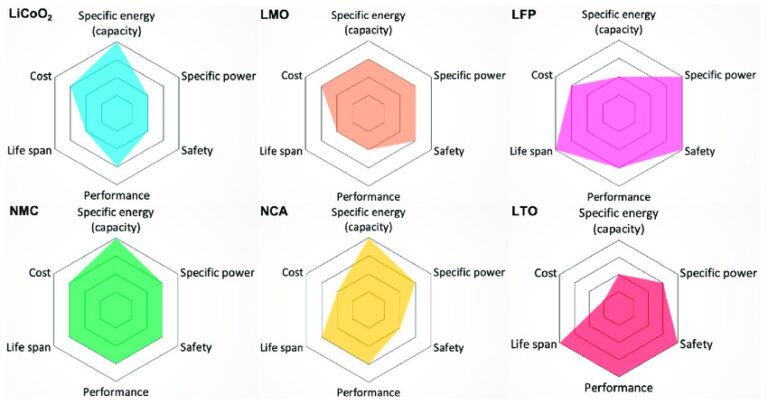
  • Nickel-Rich Cathodes: High-nickel cathodes such as NMC (Nickel-Manganese-Cobalt) and NCA (Nickel-Cobalt-Aluminum) are being optimized to improve energy density while balancing cost and performance.
  • Lithium Iron Phosphate (LFP): LFP batteries are experiencing a resurgence, especially in the electric vehicle market, due to their improved safety profile, longer lifespans, and cost-effectiveness despite having lower energy density compared to nickel-based batteries.
  • Recycling and Sustainability: There's a growing focus on developing battery materials that are easier to recycle and have a lower environmental impact. This includes closed-loop recycling processes to recover valuable metals like lithium, nickel, and cobalt.

These trends reflect the ongoing efforts in the industry to enhance the performance, efficiency, and sustainability of lithium-ion batteries to meet the demands of various applications, particularly in electric vehicles and renewable energy storage.

Why Lithium Iron Phosphate (LFP) batteries have gained an advantage over other battery chemistries at present?

LFP (Lithium Iron Phosphate) batteries have gained prominence and popularity due to several key advantages that align with current market demands and trends:

  • Safety: LFP batteries offer superior thermal and chemical stability compared to other lithium-ion chemistries. They are less prone to thermal runaway and, therefore, have a lower risk of catching fire, making them safer for various applications, particularly in electric vehicles.
  • Long Cycle Life: LFP batteries are known for their long cycle life, which can exceed several thousand charge-discharge cycles without significant capacity loss. This makes them ideal for applications where longevity is critical, such as in renewable energy storage and electric vehicles.
  • Cost-Effectiveness: LFP batteries are typically more cost-effective due to the abundance and lower price of iron and phosphate compared to more expensive metals like cobalt and nickel. This cost advantage is particularly attractive in price-sensitive markets.
  • Environmental Impact: The use of iron and phosphate in LFP batteries has a lower environmental impact compared to batteries that rely on cobalt and nickel, whose extraction and processing have significant environmental and ethical concerns.
  • Stable Supply Chain: The raw materials used in LFP batteries have a more stable supply chain, reducing the risk of supply disruptions that are more common with cobalt and nickel.
  • Improved Performance at High Temperatures: LFP batteries maintain performance over a wider range of temperatures, making them suitable for use in regions with extreme climates.

While LFP batteries have a lower energy density than some other lithium-ion chemistries, their safety, longevity, and cost advantages have led to their increased adoption, especially in applications where these factors outweigh the need for higher energy density. This trend reflects the industry's shift towards more sustainable, safe, and affordable energy storage solutions.

The Critical Quality Control During Production of the Lithium Ion Battery

In the production process of lithium battery packs, there are several critical quality control focus areas to ensure that the final product meets high standards and customer expectations:

Material Quality Control: Carefully select and inspect raw materials, especially the lithium cells, to ensure they meet the required specifications and certifications.

Cell Matching and Balancing: Ensure that cells within a battery pack are well-matched in terms of capacity, state of charge, and internal resistance to avoid imbalances that can impact performance and safety.

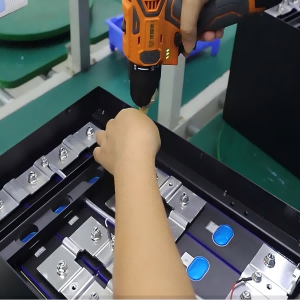
Assembly Process: Implement precise and consistent manufacturing procedures to ensure proper cell alignment, soldering, and connection. This includes verifying the integrity of mechanical and electrical connections within the battery pack.

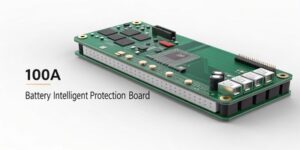
BMS (Battery Management System) Integration: Ensure that the BMS is properly configured and installed to monitor voltage, temperature, and current, as well as provide necessary protection mechanisms like overcharge, over-discharge, and thermal runaway prevention.

Thermal Management: Incorporate effective thermal management solutions to ensure heat generated during operation and charging is properly dissipated, thus maintaining performance and safety.

Testing and Inspection: Conduct extensive testing, including capacity, performance, charge/discharge cycles, and environmental stress tests, to ensure the battery pack meets design and safety standards.

Compliance and Certification: Confirm that the battery packs meet all necessary international safety and quality certifications, such as UN38.3, CE, and UL, to ensure safety and market access.

Traceability and Documentation: Maintain detailed records of the production process, materials used, and quality checks performed to facilitate traceability and accountability in case of issues.

By focusing on these areas, we can significantly enhance the reliability and safety of lithium battery packs, ultimately leading to greater customer satisfaction and trust.
Wall-Mounted Lithium Battery – Top 10 FAQ

1. Is the battery safe for indoor home installation?

Yes. Our wall-mounted battery uses LiFePO₄ (Lithium Iron Phosphate) cells, which are one of the safest lithium chemistries available. It is equipped with an intelligent BMS providing protection against over-charge, over-discharge, over-current, short circuit, and temperature abnormalities. The system complies with international safety standards for residential use.

2. What is the battery lifespan? How many years can it last?

The battery is designed for over 6,000 cycles at 80% DOD, which typically translates to 10–15 years of service life in normal residential applications with one charge/discharge cycle per day.

3. Is the stated capacity the real usable capacity?

Yes. The battery supports up to 90–100% Depth of Discharge (DOD), meaning most of the nominal capacity is fully usable. There is no hidden capacity limitation, ensuring maximum energy utilization for home storage.

4. Which inverters are compatible with this battery?

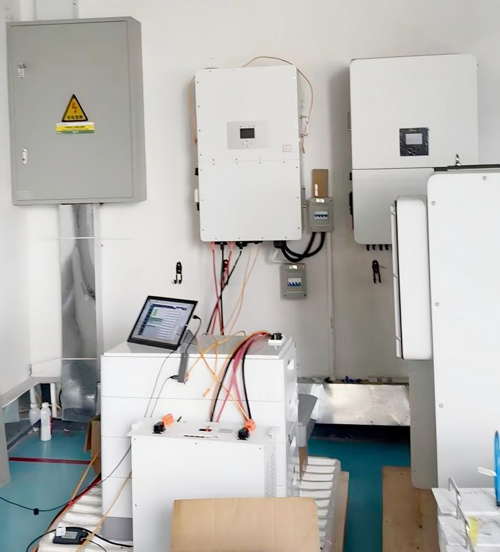
The battery supports CAN and RS485 communication and is compatible with many mainstream inverter brands such as Growatt, Deye, GoodWe, Victron, Solis, SMA, etc. An inverter compatibility list is available upon request.

5. Can multiple batteries be connected in parallel?

Yes. The system supports parallel connection for capacity expansion, allowing multiple units to work together. Depending on the model, up to 8–16 batteries can be connected in parallel to meet higher household energy demands.

6. Is installation complicated?

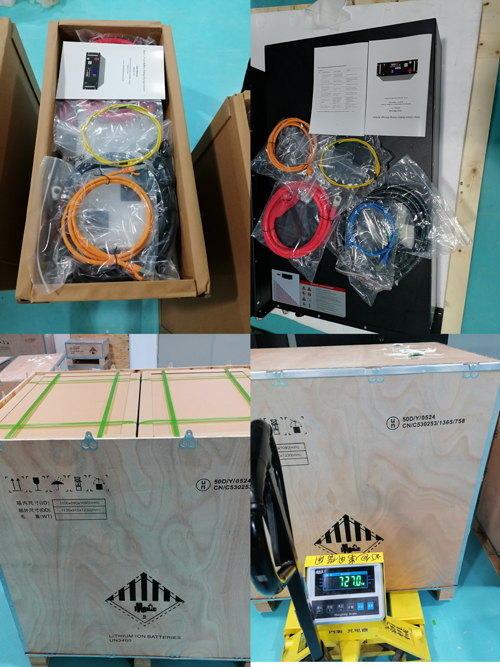
No. The battery is designed for easy wall-mounted installation. It comes with:

  • Wall mounting bracket
  • Clear installation manual
  • Plug-and-play communication ports

A certified electrician can complete installation quickly and safely.

7. Can the battery operate in extreme temperatures?

Yes. The battery operates reliably in a wide temperature range:

  • Discharge: –20°C to +60°C
  • Charge: 0°C to +55°C

Optional self-heating function is available for cold-climate regions.

8. What warranty do you provide?

We offer a 5-year or optional 10-year warranty, covering battery cells and BMS under normal residential usage. Clear warranty terms and long-term technical support ensure peace of mind for homeowners.

9. What certifications does the battery have?

The battery complies with major international standards, including:

  • UN38.3 & MSDS (transportation)
  • CE / IEC 62619
  • RoHS / REACH

Other certifications such as UL can be provided depending on market requirements.

How to Find a Reliable Lithium-Ion Battery Supplier?

1. Check Battery Chemistry and Cell Quality

A reliable supplier should clearly state:

  • The battery chemistry (LiFePO₄ is preferred for home storage)
  • Cell brand and origin
  • Cycle life data (e.g. ≥6000 cycles @80% DOD)

2. Verify Safety Design and BMS Capability

A qualified supplier must provide:

  • Smart BMS with full protections (OV/UV/OC/SC/Temperature)
  • Cell balancing function
  • Short-circuit and thermal protection

Tip: Ask for BMS specifications, not just "with BMS".

3. Confirm International Certifications

Mandatory certifications include:

  • UN38.3 & MSDS (transport)
  • CE / IEC 62619 (safety)
  • RoHS / REACH
  • UL1973 / UL9540 (for North America)

A trustworthy supplier provides real certificates, not samples or expired copies.

4. Check Inverter Compatibility

For home energy storage, the battery must:

  • Support CAN / RS485 communication
  • Match protocols of major inverter brands (Growatt, Deye, GoodWe, Victron, etc.)

Reliable suppliers provide a tested inverter compatibility list.

5. Evaluate Manufacturing Capability

Look for:

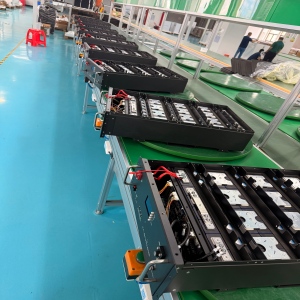
  • In-house battery pack assembly
  • Aging test, capacity test, and safety test lines
  • ISO 9001 / ISO 14001 factory management

6. Review Warranty Terms Carefully

A professional supplier offers:

  • 5–10 year warranty
  • Clear coverage for cells and BMS
  • Defined warranty conditions (cycles, DOD, usage environment)

Avoid vague "long warranty" promises without documents.

7. Assess Technical Support and Responsiveness

Ask:

  • Do they provide installation manuals and wiring diagrams?
  • Can they support inverter parameter setting?
  • Do they respond within 24 hours?

Fast, technical replies usually indicate real expertise.

8. Compare Total Cost, Not Just Unit Price

Lowest price often means:

  • Lower-grade cells
  • Simplified BMS
  • Shorter lifespan

Focus on total cost of ownership (TCO) over 10+ years, not just upfront price.

9. Ask for References or Market Experience

Reliable suppliers can show:

  • Export history
  • Target markets (EU, LATAM, Middle East)
  • Real project photos or customer feedback

10. Start with Sample or Trial Order

Before large orders:

  • Test a sample unit
  • Verify real capacity and communication
  • Evaluate packaging and documentation

Professional suppliers welcome testing—unreliable ones avoid it.

Final Advice

A reliable lithium-ion battery supplier is not just a seller, but a long-term technical partner. For home energy storage, prioritize safety, compatibility, certification, and support over price alone.