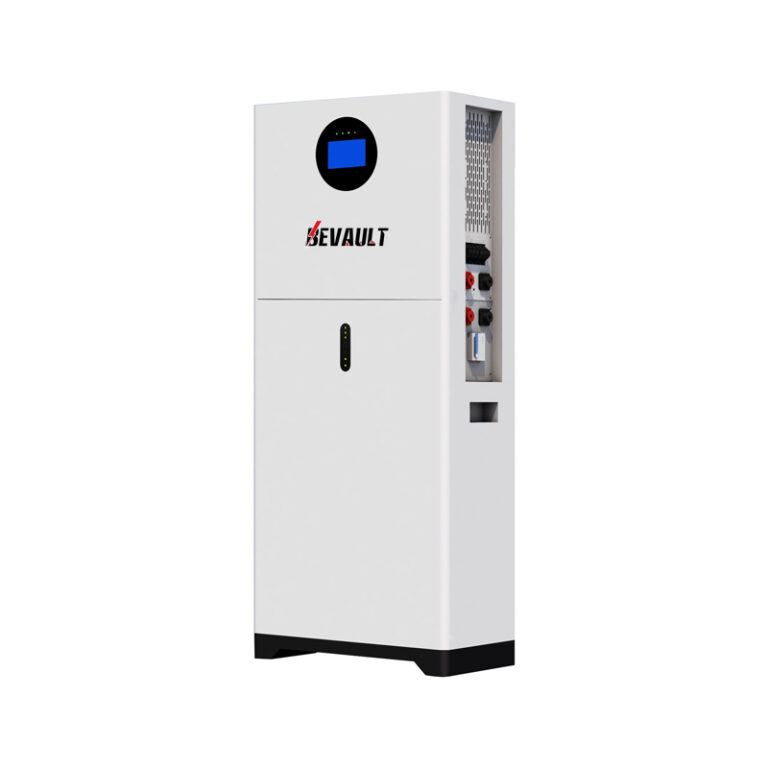
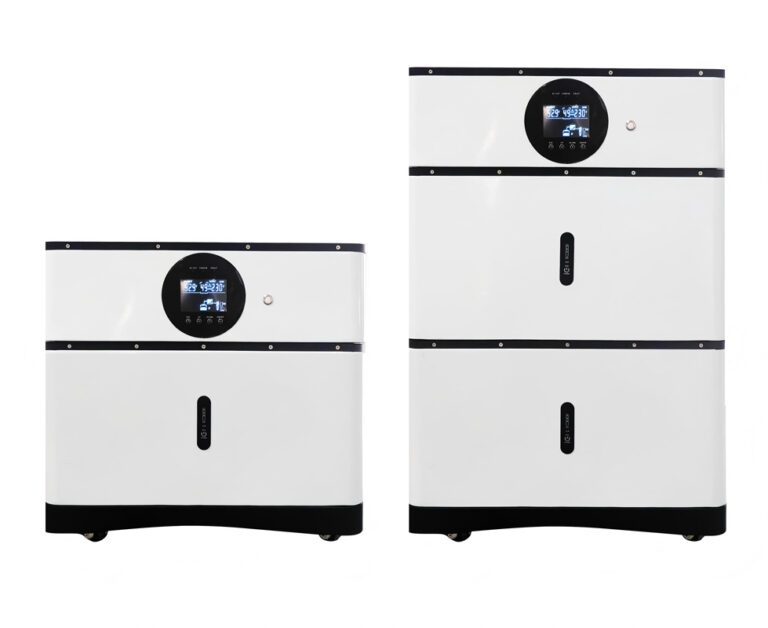
All-in-One LiFePO4 Battery

Experience the next generation of energy storage with our advanced LiFePO4 batteries. Designed for maximum efficiency, safety, and longevity, our batteries provide reliable power solutions for residential, commercial, and industrial applications.

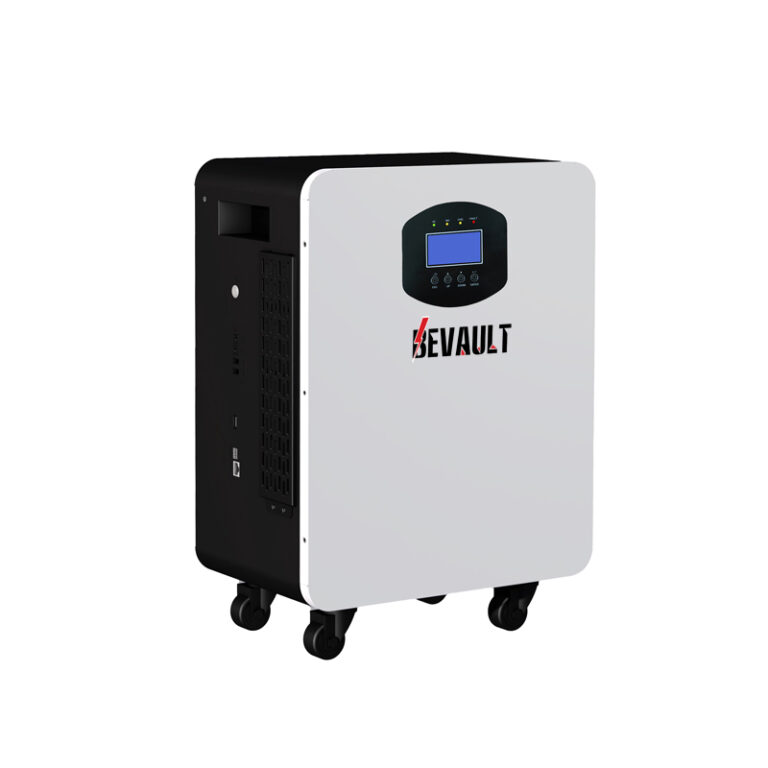
European standard, Inverter available with 1kw-12kw, Capacity rang from 1.28kwh-20kwh

American split Phase supported(120vac). 3kw+3kwh/5kw+5kwh/6kw+10kwh/12kw+14/16kwh

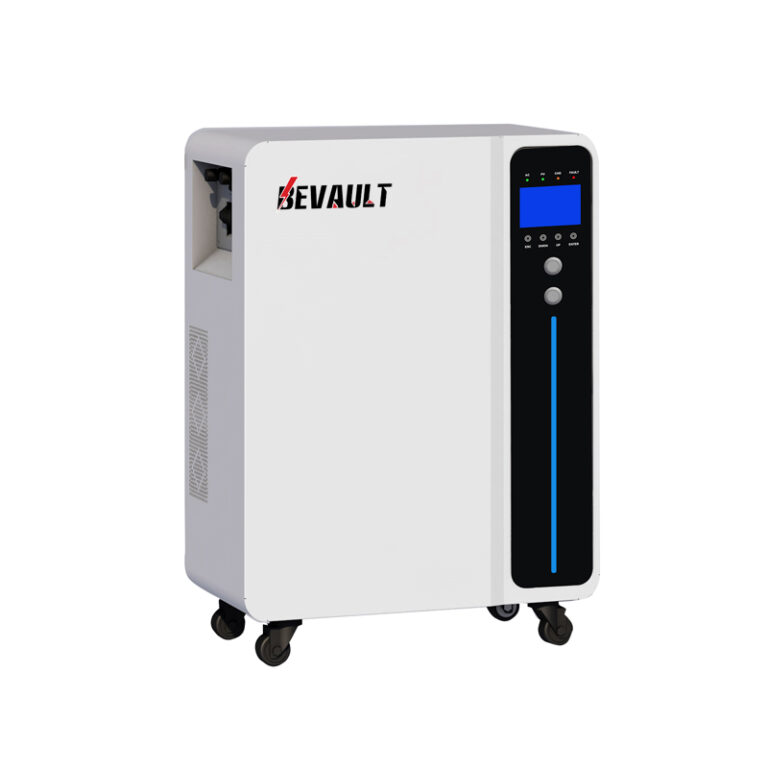
New design with lighting strip. 5kwh/8kwh/10kwh per module, plug and play, Grid in/out

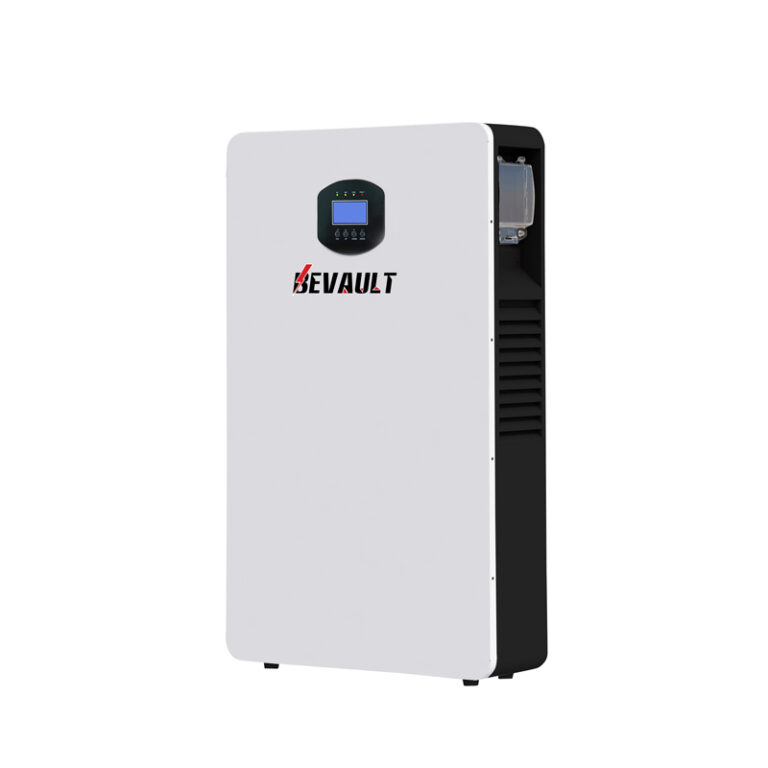
Compact all in one desigh for wall mounted 

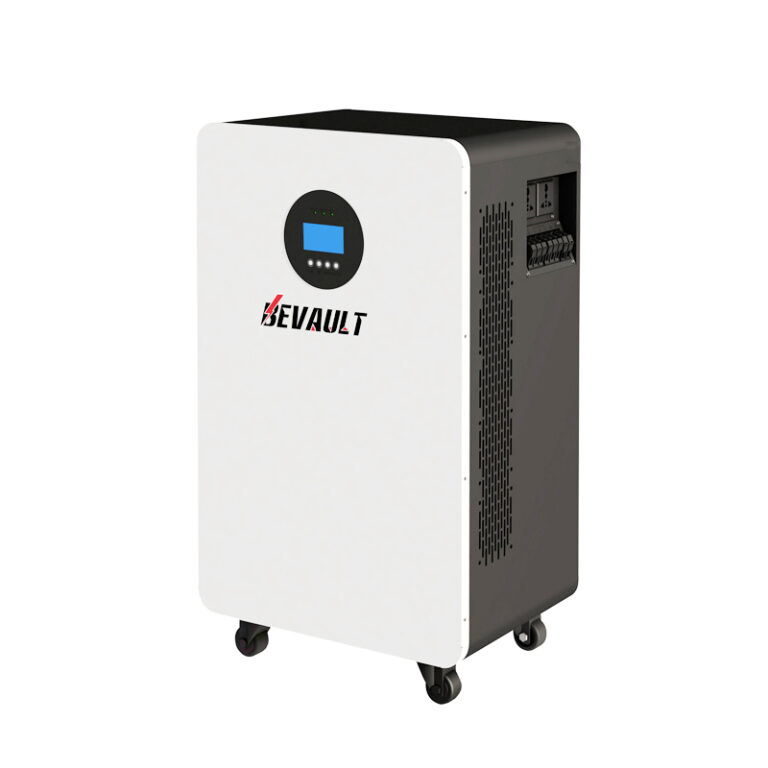
Floor standing and slim design  12kw+16kwh 

Battery Module 5kwh/10kwh/15kwh available. PV/Grid charge supported. App monitoring.

Product Specifications

Compare our range of battery models to find the perfect solution for your energy storage needs.

Specification 1kW/1.28kWh 3kW/2.56kWh 6kW/5.12kWh 5kW/10.24kWh 12kW/14/15/16kWh
Battery Model 1kW/1.28kWh 3kW/2.56kWh 6kW/5.12kWh 5kW/10.24kWh 12kW/14/15/16kWh
Battery Voltage 12.8V 25.6V 51.2V 51.2V 51.2V
Rated Capacity 100Ah 100Ah 100Ah 200Ah 280/300/314Ah
Energy 1.28kWh 2.56kWh 5.12kWh 10.24kWh 14k/15/16kWh
Inverter Power 1kW 3kW 5kW 5kW 12kW
MPPT Voltage Range 20~100Vdc 40~450Vdc 60~450Vdc 120~430Vdc 90~450Vdc
AC Voltage 230Vac 230Vac 230Vac 230Vac 230Vac
IP Grade IP20 IP20 IP20 IP20 IP20
Communication RS485/WiFi RS485/WiFi RS485/WiFi RS485/WiFi RS485/WiFi
Size (mm) 280×150×400mm 370×225×530mm 450×270×610mm 505×306×820mm 510×377×770mm
Weight (kg) 16kg (approx) 30kg (approx) 51kg (approx) 105kg (approx) 120kg (about)

Specifications are subject to change without prior notice. Please contact our sales team for the most up-to-date information.

Key Features of an All-in-One Lithium Battery Design

An all-in-one lithium battery integrates the battery pack, BMS, inverter, and control system into a single compact unit. This design is especially popular for residential and small commercial energy storage systems.

1. Integrated System Design

  • • Battery + inverter + BMS in one enclosure
  • • No need for multiple external devices
  • • Factory-matched components ensure better compatibility

2. Easy and Fast Installation

  • • Plug-and-play design
  • • Minimal wiring and fewer connection points
  • • Significantly reduces installation time and labor cost

3. Compact & Space-Saving

  • • Smaller footprint compared to traditional split systems
  • • Suitable for wall-mounted or floor-standing installation
  • • Ideal for homes, apartments, and small utility rooms

4. Higher System Reliability

  • • Fewer external cables and connectors
  • • Lower risk of wiring errors or communication failure
  • • Pre-tested as a complete system before delivery

5. Smart Monitoring & Control

  • • Built-in LCD or touchscreen display
  • • Supports WiFi / Bluetooth / RS485 / CAN communication
  • • Remote monitoring via mobile app or web platform

6. Improved Safety

  • • Integrated BMS with multi-level protection
  • • Over-charge, over-discharge, over-current, and temperature protection
  • • Optimized thermal management inside one enclosure

7. Clean & Modern Appearance

  • • Sleek, unified housing
  • • No messy external wiring
  • • Better aesthetics for residential installation

8. Lower Total System Cost

  • • Reduced installation and commissioning costs
  • • No need to purchase separate inverter or control cabinet
  • • Faster return on investment (ROI)

Comparison between All-in-One vs Split Battery Energy Storage Systems

System Architecture

All-in-One System

  • Battery cells, inverter, BMS (Battery Management System), and communication/control electronics are integrated into a single unit.
  • Designed as a complete, self-contained energy storage solution.

Split System

  • Battery pack and inverter/controller are separate components.
  • Usually requires external wiring and assembly onsite.

Installation & Setup

All-in-One

  • ✔ Plug-and-play
  • ✔ Faster installation
  • ✔ Minimal onsite configuration

Split System

  • ✘ More complex wiring
  • ✘ Longer installation time
  • ✘ Skilled electrician recommended

Space & Footprint

All-in-One

  • Compact design
  • Smaller footprint
  • Wall-mounted or floor-standing options

Split System

  • Requires space for multiple components
  • Separate battery cabinet + inverter + wiring trunking

Reliability & Compatibility

All-in-One

  • ✔ Factory-matched components
  • ✔ Lower risk of communication errors between parts
  • ✔ Fewer connection points → higher reliability

Split System

  • ✘ Potential compatibility issues if components are from different brands
  • ✘ More connection points → higher fault potential

Monitoring & Control

All-in-One

  • Built-in display & communication ports
  • Often supports Wi-Fi/Bluetooth/Cloud app monitoring

Split System

  • Monitoring may require third-party interface
  • Optional add-on modules increase cost

Safety & Protection

All-in-One

  • ✔ Integrated safety features
  • ✔ Unified thermal management
  • ✔ Centralized protections (over/under voltage, over-temp, short circuit)

Split System

  • ✘ Separate protections must be configured individually
  • ✘ Higher complexity in ensuring complete safety coverage

Cost Considerations

All-in-One

  • ✔ Lower installation and commissioning cost
  • ✔ Lower labor cost
  • ✔ Good cost-to-performance ratio

Split System

  • ✘ Lower hardware cost (sometimes)
  • ✘ Higher installation and setup cost
  • ✘ Extra cost for compatibility tuning

Best Use Cases

All-in-One

  • ✔ Residential homes
  • ✔ Small commercial systems
  • ✔ Users who want simplicity & fast deployment

Split System

  • ✔ Large commercial or industrial applications
  • ✔ Customizable systems
  • ✔ Scenarios requiring modular expansion

Bottom Line

👉 All-in-One systems are simpler, safer, and ideal for most residential and small commercial users.

👉 Split systems offer flexibility and scalability for large or specialized installations, but require more planning and setup.