Inside the Lithium Battery Materials Landscape: What's Right, What's Changed, and What Really Matters?
The battery materials market is experiencing unprecedented transformation. Many industry observers are struggling to navigate through conflicting market signals and rapidly evolving technology trends.
The battery materials landscape is shifting from pure chemistry innovation to industrial execution excellence. While cathode materials continue evolving, system-level optimization and manufacturing capabilities now drive market success.
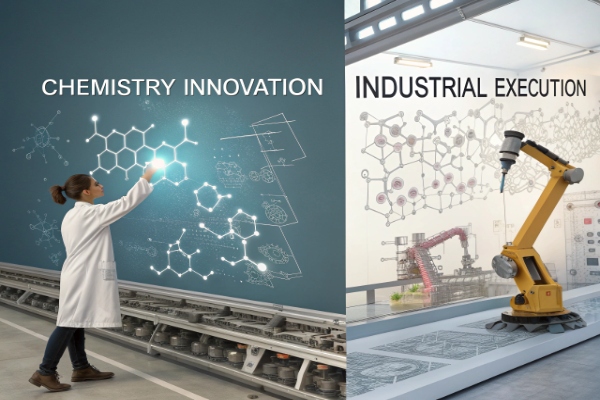
Understanding these changes is crucial for anyone involved in the energy storage and electric vehicle industries. Let's analyze each component's current state and future trajectory.
Cathode Materials: From Policy-Driven NMC to System-Level LFP Dominance
The cathode materials market has undergone a dramatic shift that few predicted just a few years ago.
LFP has emerged as the dominant cathode chemistry, driven not just by cost and safety advantages, but by breakthrough system-level innovations like CTP (cell-to-pack) technology and large-format cells.
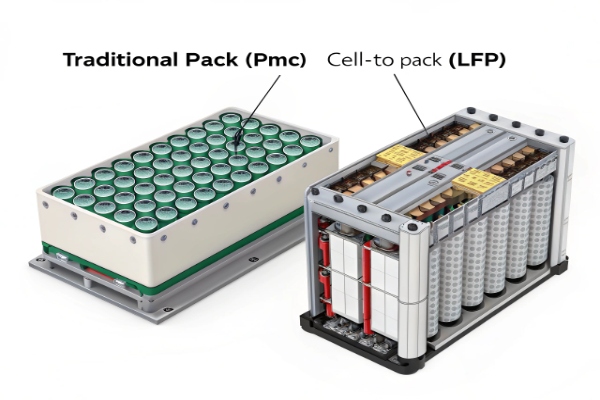
Let's analyze this transformation in detail:
Historical Evolution Analysis
- NMC Era (2015-2020)
- Energy density-based subsidies1
- Focus on passenger vehicle applications
- Higher Wh/kg requirements
- Premium segment dominance
- Market share leadership
Our industry data shows that NMC's rise wasn't solely policy-driven but resulted from a combination of subsidy structures, energy density requirements, and passenger vehicle market demands.
- LFP Renaissance (2021-Present)
- CTP/Blade battery innovations
- System-level energy density improvements
- Cost advantage during lithium price spikes
- Commercial vehicle adoption
- Manufacturing scale benefits
Anode & Electrolyte: High Margins, Now Tested by Scale, Cost Pressure, and Customer Power
The traditionally profitable anode sector is facing new challenges as market dynamics evolve.
While historically enjoying 25%+ profit margins, anode materials now face intense competition from expanded production capacity and increasing customer bargaining power.
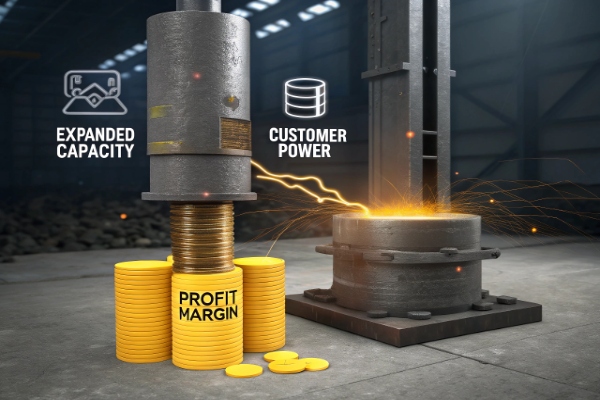
Let's examine the key factors:
Market Evolution Analysis
- Anode Material Dynamics
- Artificial vs. natural graphite
- Production capacity expansion
- Processing cost pressures
- Customer consolidation effects
- Manufacturing efficiency focus
The market research indicates that while entry barriers remain high, profitability is increasingly tied to manufacturing excellence and customer relationships rather than just technical capabilities.
- Electrolyte Trends
- LiPF6 to LiFSI transition1
- Additive formula importance
- Price volatility impacts
- Certification requirements
- Long-term partnership value
Separators: The Real Moat Is Not Technology, but Stable Mass Production
The separator market reveals a crucial truth about battery materials: consistent quality at scale matters more than pure technical innovation.
While separator technology is critical, the true competitive advantage lies in maintaining stable, high-yield mass production with minimal quality variations.
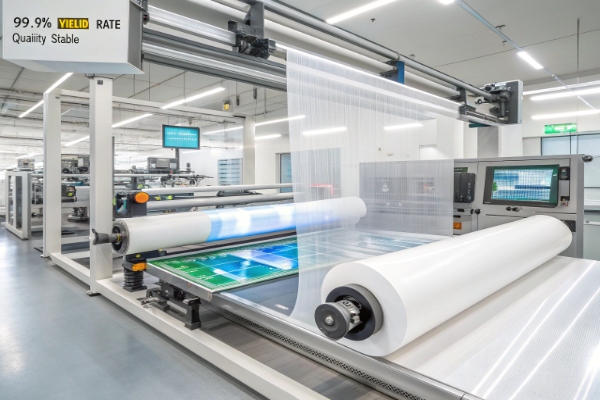
Let's analyze the key success factors:
Production Excellence Analysis
- Manufacturing Challenges
- 60-70% yield rates for wet process
- 2-3 year equipment cycles
- Quality consistency requirements
- Scale-up complexity
- Supply chain stability
Through our industry experience, we've observed that successful separator manufacturers excel not just in technology but in process control and quality management.
- Market Dynamics
- Chinese market dominance (>60%)
- Customer switching barriers
- Long certification cycles
- Partnership importance
- Investment requirements
The Big Picture: Battery Materials Are No Longer About Chemistry Alone, but Industrial Execution
The battery materials industry has evolved beyond pure technical innovation to emphasize manufacturing excellence and system-level optimization.
Success in battery materials now requires excellence in scale manufacturing, supply chain management, and system-level integration, not just chemical innovation.

Let's examine the key success factors:
Industry Transformation Analysis
- Success Factors Evolution
- Manufacturing consistency
- Scale economics
- System integration capabilities
- Supply chain resilience
- Customer relationship management
Our industry analysis shows that leading companies excel not just in material science but in industrial execution and customer collaboration.
- Future Trends
- Vertical integration
- Cost optimization focus
- Quality consistency
- Innovation at scale
- Partnership importance
Conclusion
The battery materials landscape has evolved from a chemistry-focused industry to one where manufacturing excellence, system-level optimization, and industrial execution capabilities determine market success. Understanding this transformation is crucial for industry participants and investors.